
If you want to know who led the biggest defense tech seed and Series A rounds in 2026, the answer is narrower than the headline funding totals suggest.
A handful of firms did the actual leading. Leading a round means setting the price and the terms, taking the board seat, and committing before anyone else will.
That is a different signal from appearing on a long list of participants. Plenty of large names joined defense rounds this year without setting a single term.
We looked at 2026 seed and Series A rounds where the lead is named in the company’s own release or the firm’s newsroom.
The five firms below each led or co-led at least one. Their checks ranged from a $10 million seed to a $140 million Series A.
What to Look For in a Defense Tech Investor
Raising for defense is not the same as raising for software, and the investor list reflects that. Procurement cycles, security clearances and program risk all sit between a good product and a contract.
📋 What to Look For in a Defense Tech Investor
- ✓A named lead, not a logo list: check whether the firm has actually set terms on a round in your category, rather than joining one someone else priced.
- ✓Government fluency: procurement, clearances and programs of record decide revenue here, so ask who on the team has moved a contract through.
- ✓Tolerance for hardware timelines: if you are building physical systems, the fund needs to be comfortable with capital intensity and long cycles.
Who Led the Biggest Defense Tech Seed and Series A Rounds in 2026
The map below places each firm by how broad its mandate is and where it writes its first check. Neither axis is a score: a firm at the bottom right is a different partner, not a weaker one.
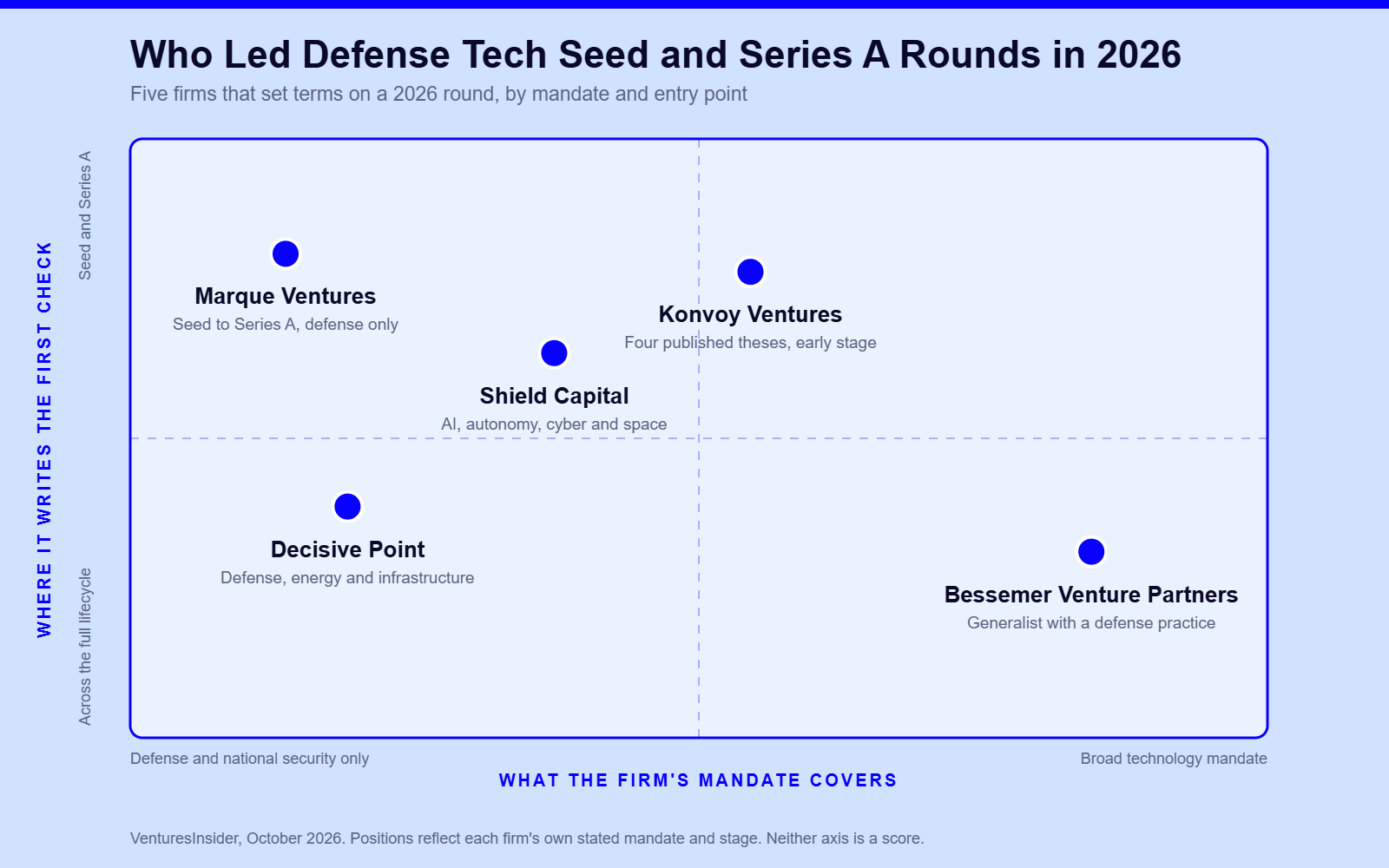
The clustering on the left is the defense-native group, where the entire fund is built around national security. Bessemer sits alone on the right because defense is one practice inside a generalist firm.
| VC Firm | Best For | Why It Stands Out |
|---|---|---|
| 1. Shield Capital | Autonomy, cyber and space companies raising seed or Series A | Led or co-led four defense rounds in 2026, the most of any firm here |
| 2. Konvoy Ventures | Founders who want a lead that prices the round alone | Led both Seasats and Lux Aeterna outright, with no co-lead on either |
| 3. Decisive Point | Energy, nuclear and industrial base companies | Led the largest round on this list, Standard Nuclear’s $140 million Series A |
| 4. Marque Ventures | Hardware and manufacturing teams at the earliest institutional round | States a seed to Series A mandate and was built by the former Army VC team |
| 5. Bessemer Venture Partners | Defense software that will need growth rounds later | Runs a named deep tech and defense practice inside a multistage generalist |
1. Shield Capital

Shield Capital led or co-led more defense rounds in 2026 than any other firm on this list, and its own newsroom documents four of them.
The largest was Star Catcher‘s $65 million Series A in May 2026, which Shield co-led alongside B Capital and Cerberus Ventures.
It also led SiFly’s $20 million Series A the following week, led the seed round into Autonomous Cyber in March, and co-led the UFORCE seed with Lakestar.
The firm was founded in 2021 and concentrates on four domains: artificial intelligence, autonomy, cybersecurity and space. Its team is built from national security operators rather than generalist investors.
Shield also took part in the Seasats Series A, where founder and managing partner Philip Bilden described the company as supporting missions that matter.
If you are raising for an autonomy or cyber company and want a lead that has already priced several rounds this year, this is the most active name here.
2. Konvoy Ventures
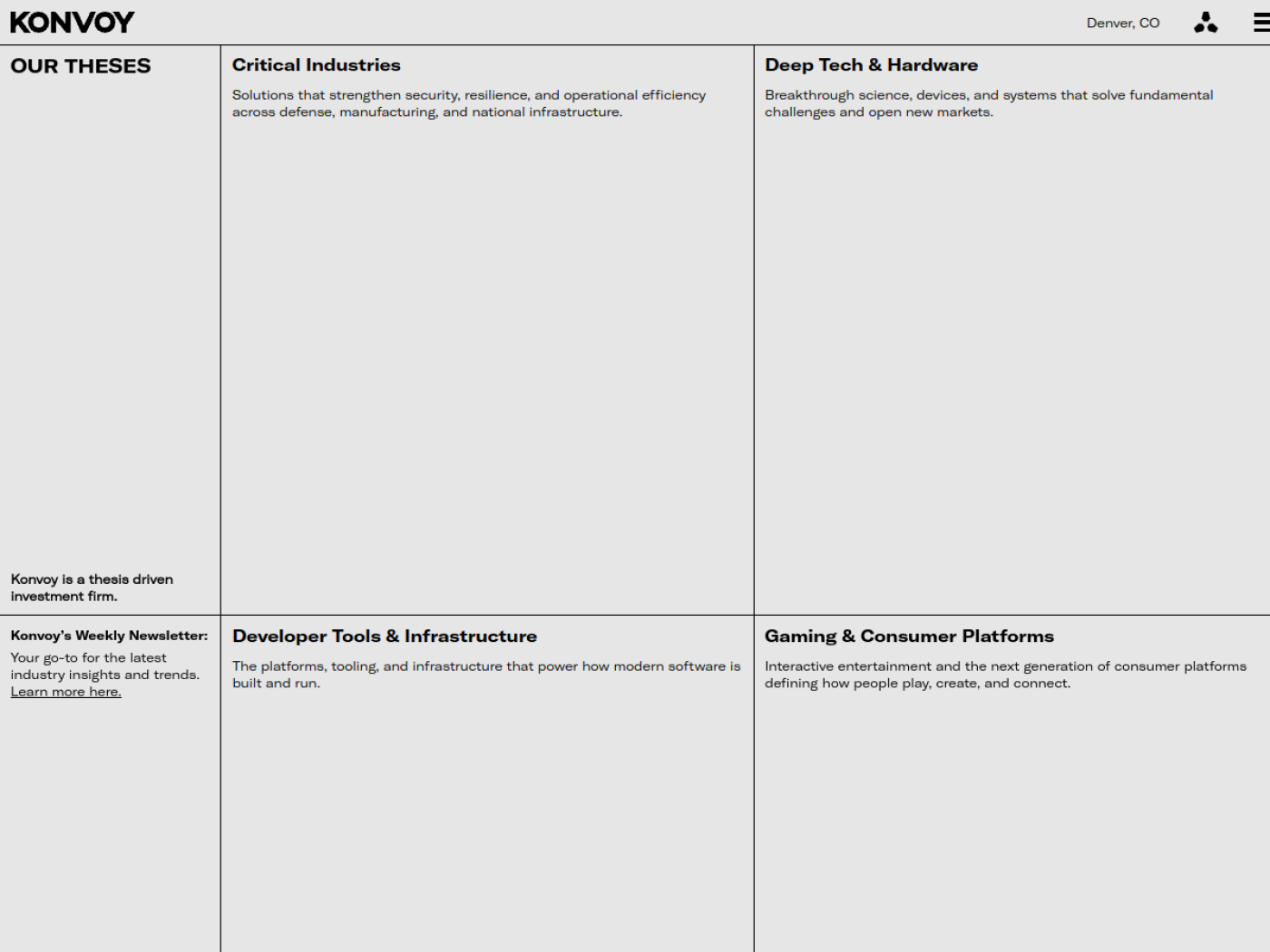
Konvoy Ventures led both of its 2026 rounds in this category outright, with no co-lead on either, which is the hardest version of leading to do.
In February it led Seasats‘ $20 million Series A for small uncrewed surface vehicles, with Shield Capital, DNS Capital, Techstars and others participating.
Seasats has since raised more than $40 million in total and been awarded over $100 million in U.S. government contracts, including Marine Corps and Navy work.
In March it led Lux Aeterna‘s $10 million oversubscribed seed for satellite reentry infrastructure, with Decisive Point, Cubit Capital and Wave Function joining.
Konvoy’s published critical industries thesis covers security, resilience and operational efficiency across defense, manufacturing and national infrastructure, and both deals sit squarely inside it.
The firm publishes its theses and a weekly industry newsletter rather than a stage or a check size, so the quickest way to test fit is to read the portfolio before you pitch.
3. Decisive Point

Decisive Point led the single largest round on this list by a wide margin, and it is the one to call first if your company sits in the energy and industrial base.
In January 2026 it led Standard Nuclear‘s $140 million Series A, with Chevron Technology Ventures, StepStone Group and XTX Ventures joining as new investors.
Standard Nuclear produces advanced HALEU fuel, so the round is national security and energy rather than defense hardware. That distinction matters when you are choosing who to approach.
The firm describes itself as investing in critical technologies for defense, energy, and infrastructure, and it says it helps startups navigate government and capture public R&D funding.
Its portfolio also includes VATN Systems in underwater autonomy and Lux Aeterna, where it joined the Konvoy-led seed.
4. Marque Ventures
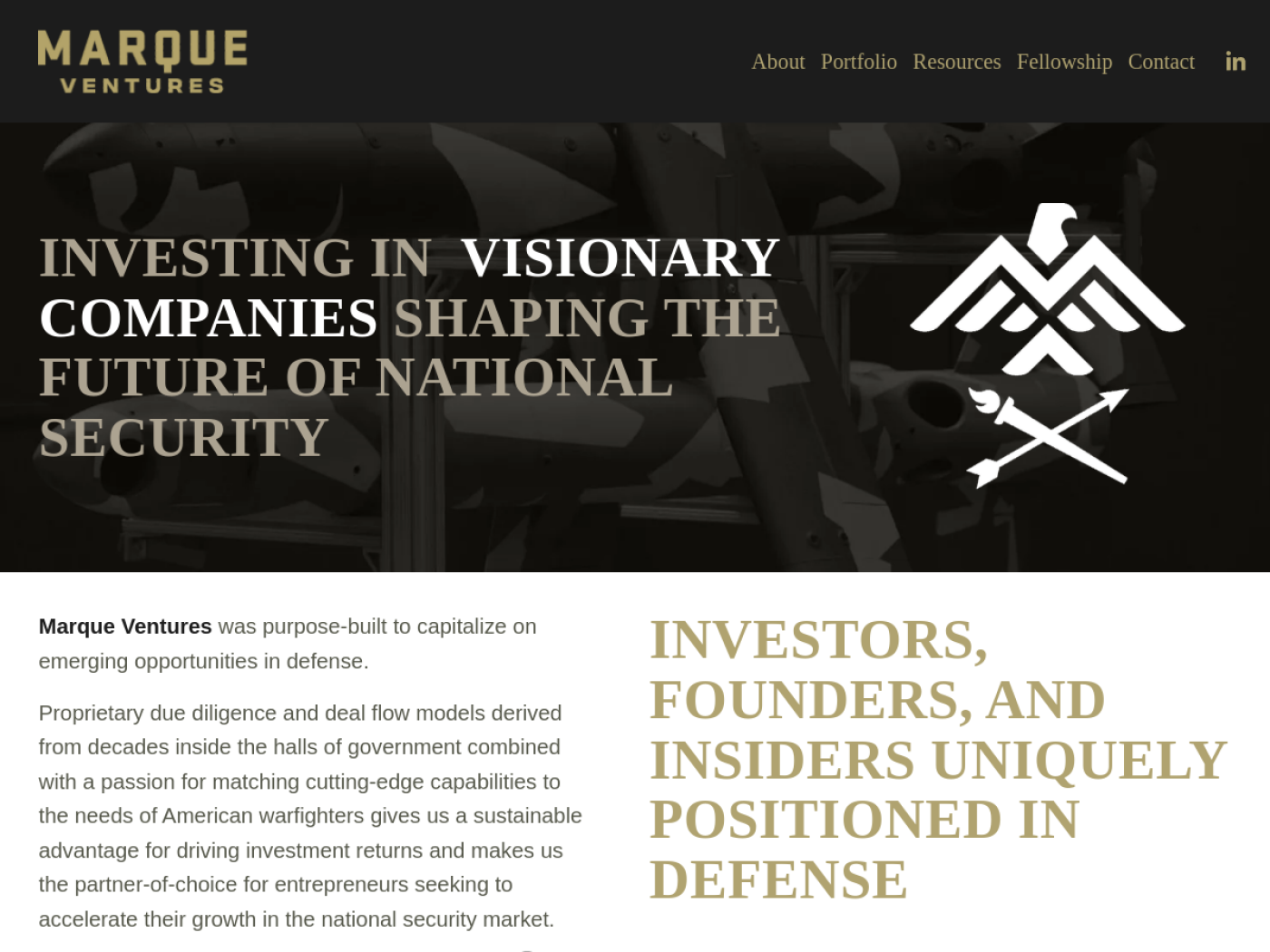
Marque Ventures is the most stage-specific firm here, stating plainly that it invests from seed to Series A and was purpose-built for defense.
In April 2026 it led Hybron‘s $25 million oversubscribed seed, with First In, DTX Ventures, Veteran Ventures Capital and Gaingels participating.
Hybron produced the first composite compressor blades to operate at full power in a fighter jet engine, which is the kind of manufacturing problem that rarely fits a software fund.
Marque’s own about page says it was founded by the team brought in to revitalize the Congressionally funded Army Venture Capital Corporation, the Department of Defense’s answer to In-Q-Tel.
Its portfolio runs to Mach Industries, Firestorm Labs, VATN Systems and goTenna, which is a tight, hardware-heavy list.
5. Bessemer Venture Partners
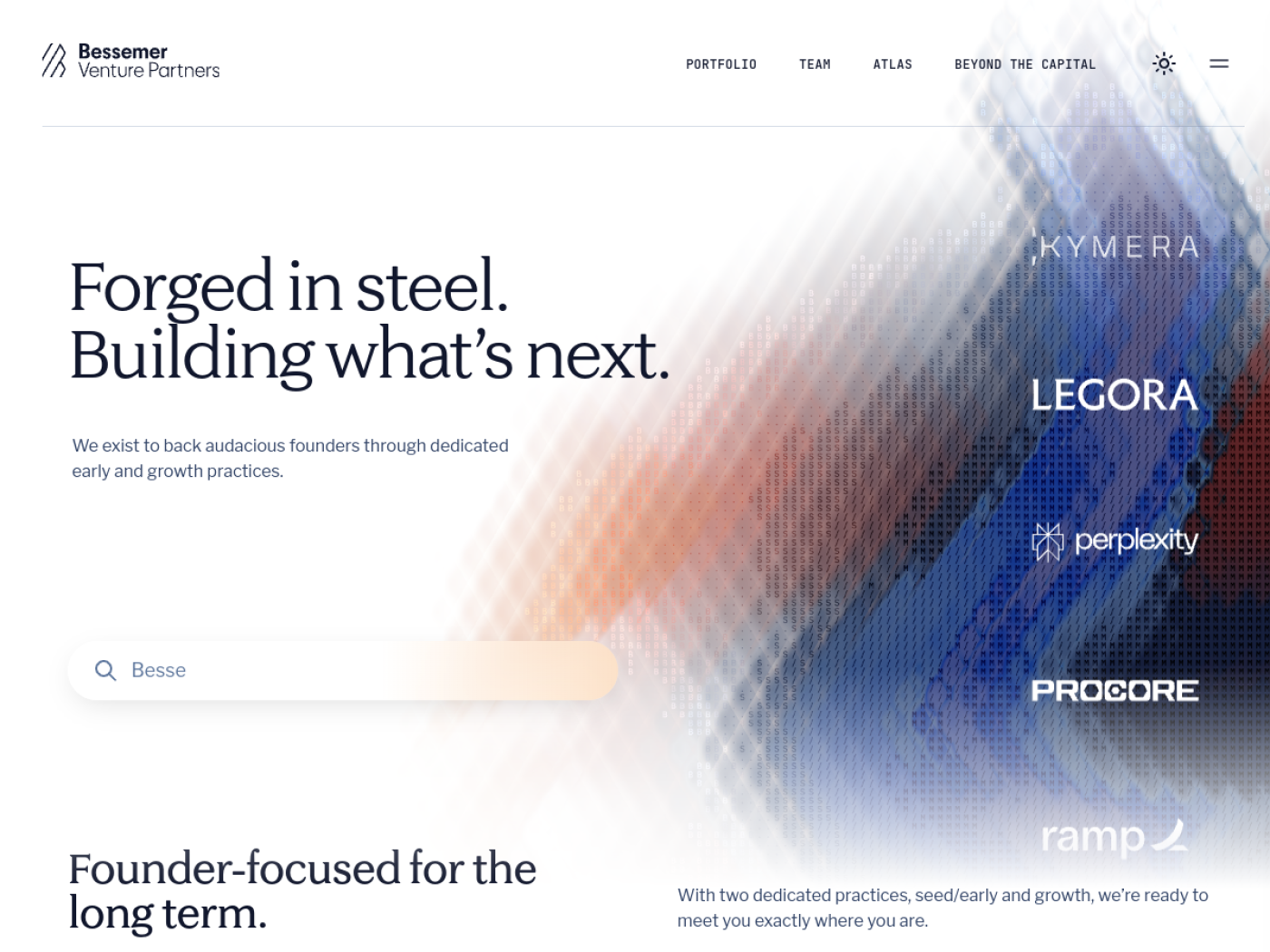
Bessemer Venture Partners is the generalist on this list, and it is the one to talk to if your round needs a firm that can keep funding you through growth.
In February 2026 it led NODA AI‘s $25 million Series A, with Booz Allen Ventures, Draper Associates, Bloomberg Beta and Alumni Ventures participating.
NODA builds orchestration for cross-vendor autonomous systems, with Department of War and UK Ministry of Defence customers, which is a defense buyer inside a classic enterprise software shape.
Bessemer runs a named deep tech and defense practice alongside its seed and growth arms, and says it exists to back audacious founders at either stage.
Its wider portfolio includes Boom Supersonic and Claroty, so the sector depth is real even though defense is not the whole fund.
In Summary
Five firms led the defense tech seed and Series A rounds worth paying attention to in 2026, and they are not interchangeable.
Shield Capital was the most active lead, with four rounds priced across autonomy, cyber and space in a single year.
Konvoy led both of its rounds outright, which is the clearest evidence a founder can get that a firm will set terms rather than wait for someone else to.
Decisive Point wrote the biggest check of the group at $140 million, though its qualifying round sits in nuclear fuel rather than defense hardware.
Marque Ventures is the narrowest fit by stage, and Bessemer the broadest by mandate. Which one is right depends on your round size and how capital intensive your roadmap is.
If you are mapping the wider field first, our guide to defense venture capital for startups covers the firms by thesis rather than by round.
You can also compare against the critical industry venture capital firms and the best investors for industrial technology startups. Check out our listings.
Frequently Asked Questions
What was the biggest defense tech Series A of 2026?
Of the rounds with a named lead, Standard Nuclear’s $140 million Series A led by Decisive Point was the largest, followed by Star Catcher’s $65 million co-led by Shield Capital.
Does leading a round actually matter to a founder?
Yes. The lead sets the valuation and the terms, usually takes the board seat, and gives the round the credibility that brings the other investors in behind it.
How can I tell who really led a round?
Read the company’s own press release rather than a funding database. Leads are named explicitly, and a round with no named lead, as with Havoc AI’s 2026 Series A, usually had none.
Which of these firms led the most defense rounds outright in 2026?
Konvoy Ventures led both Seasats and Lux Aeterna with no co-lead, while Shield Capital led four rounds in total but shared the lead on two of them.